
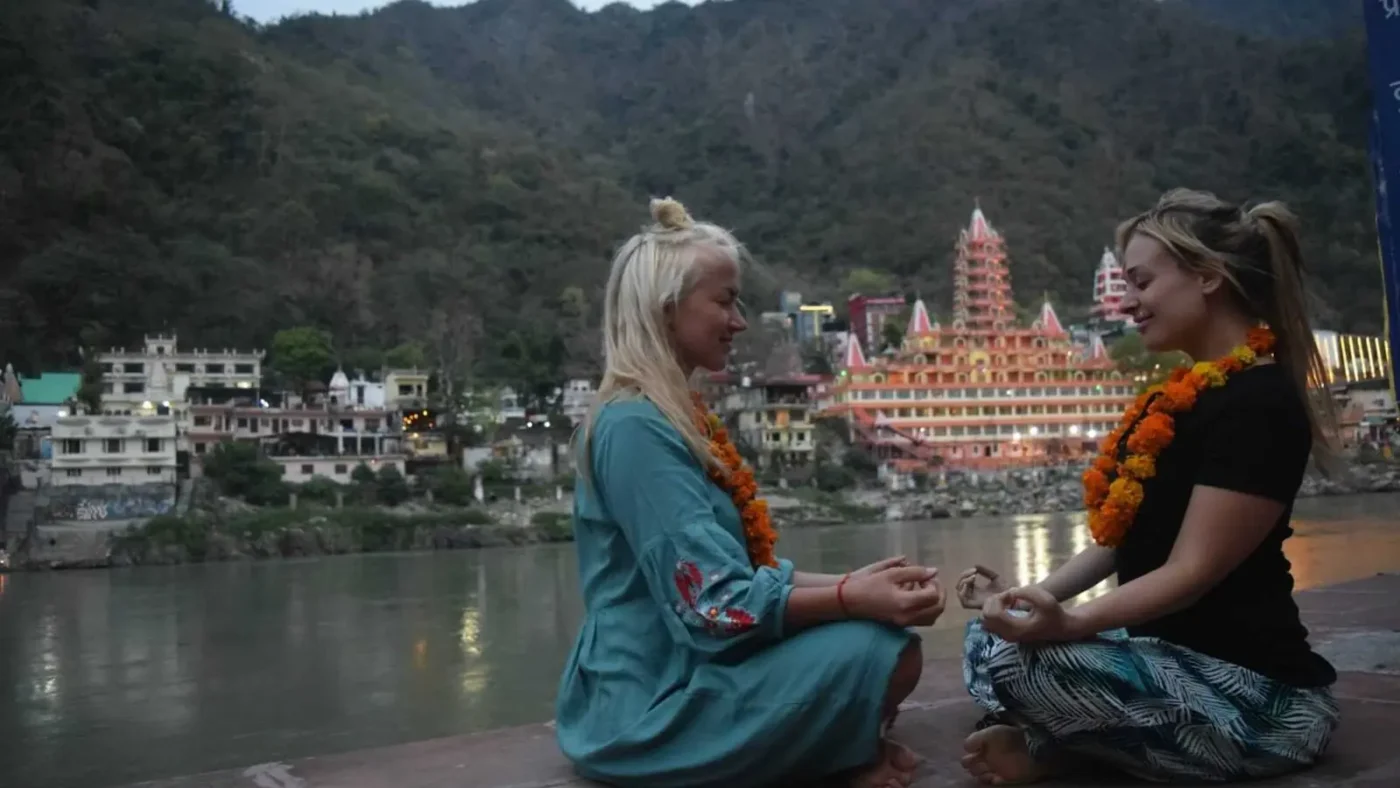
The yoga class in the park begins at six and is over by seven. There are about twenty people, most of them over fifty, in tracksuits and cotton kurtas. The instructor does not use a microphone. The traffic on the road behind them is the soundtrack.
This is not the yoga of the posters. There are no handstands, no matching mats, no cameras. There is a sequence of stretches, some breathing, and a long pause at the end. It is closer to physiotherapy than to performance.
That may be why it is spreading. Doctors recommend it for back pain, blood pressure and anxiety. Offices run short sessions at lunch. Schools have brought it into the timetable, not as a spectacle but as a break.
The practice has also become a small industry. Teacher training courses, certification, retreats, mats and clothing. Some of it is useful. Some of it sells a promise that no stretch can keep. The ordinary class in the park costs nothing and asks only that you turn up.
A return to the everyday may be the most durable thing that has happened to yoga in India. It is not a national event, and it does not need to be. It is a habit, and habits are what health is made of.
The teachers who run these classes are often not famous. They have a certificate, a regular spot and a group of students who notice when they are absent. Their work does not trend. It simply continues, morning after morning, on a patch of ground that the city has agreed to leave open. That is a modest kind of infrastructure, and it is easy to lose. It is worth defending, and it costs almost nothing to defend.


