
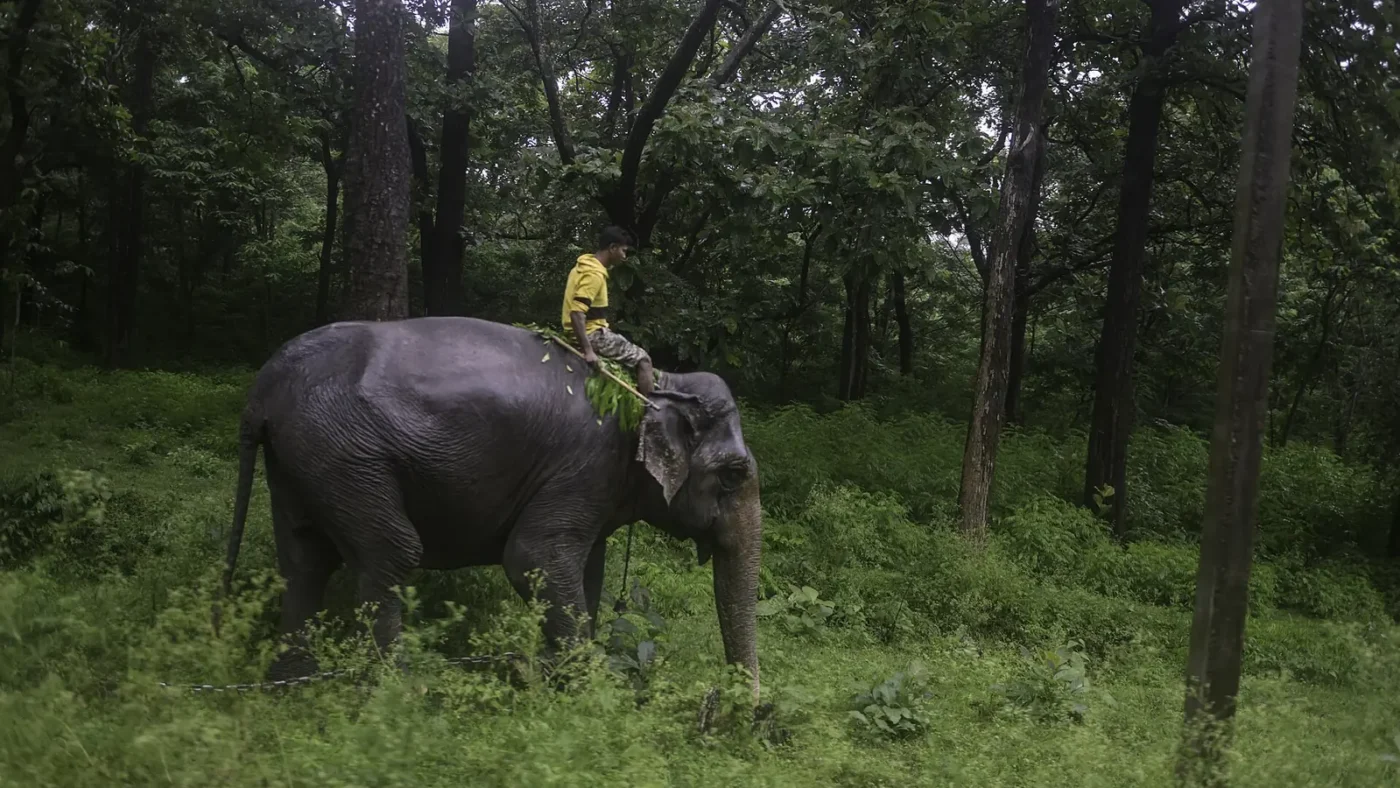
The crop damage usually happens at night, in the few minutes between a herd leaving the treeline and a farmer waking to the sound of breaking cane. By then the argument has already begun: how many elephants, how much loss, whose field, which form to fill. The elephant, meanwhile, is somewhere in the next valley.
Warning before the herd
Across parts of Hassan and Chamarajanagar, the response has shifted from reaction to warning. Village volunteers relay sightings by phone, and the messages travel faster than the herd. Where the system works, farmers sleep with a phone beside the bed and move to the field before the animals arrive – not to chase them, but to make noise from a distance that does not invite a charge.
Fences help, but only in the right places. An electric fence along a corridor that elephants have used for generations is a fence that will be flattened, and the repair bill lands on a panchayat with other priorities. Fencing settlements and watching the corridors is cheaper and more honest about what a fence can do.
Compensation remains the sorest point. A crop loss assessed weeks after the event, paid months later, teaches a farmer that the forest is a liability. Several districts have tried faster verification, with photographs taken at the site and a local committee signing off. The sums are modest; the timing is what changes behaviour.
The larger question is land. Elephant numbers have held steady or risen in parts of Karnataka, but the space between protected areas has narrowed. Corridors that run through coffee estates, revenue land and highways need agreements rather than declarations. A herd that can walk without crossing a village at midnight is a herd that causes less damage.