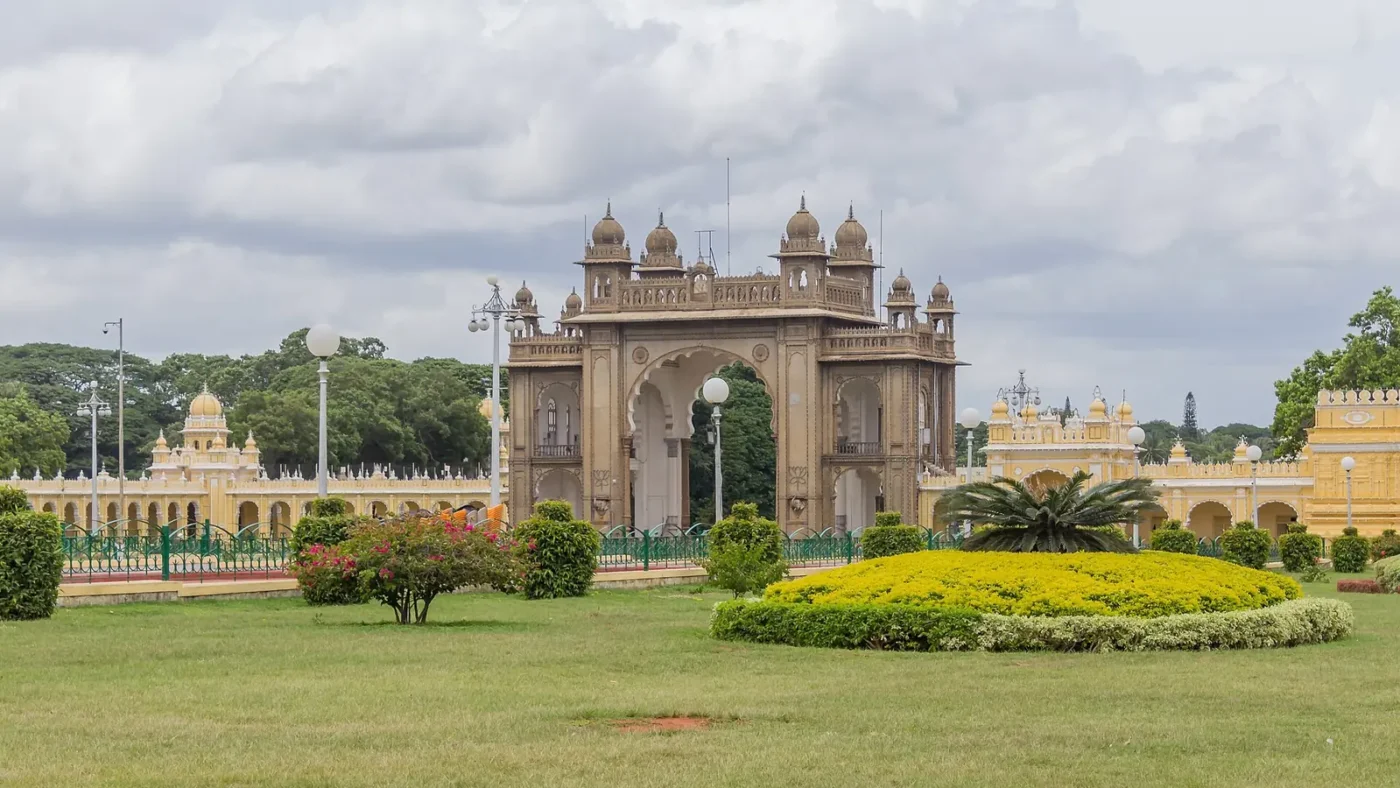
Most visitors to Mysuru see the palace and leave. The illuminated facade on a Sunday evening, the queue at the gate, the quick circuit of the durbar hall – a day trip booked from Bengaluru and completed before dinner. The city’s heritage economy was built on that rhythm, and it has begun to strain at the edges.
The next street over
A newer set of enterprises is trying to hold people a little longer. Restored houses run as small guesthouses, walking routes through old neighbourhoods, workshops where visitors try sandalwood carving or watch silk being woven. None of these is large. Together they spread spending into streets that the palace crowd never reaches, and they give artisans a customer who is not a wholesaler.
The economics are thinner than the photographs suggest. A heritage house costs more to restore than to rebuild, and the rules that protect old buildings also make approvals slow. Owners who inherited property often cannot afford the repair, and the family that sells to a developer is making a rational decision rather than a careless one.
Craft is the more durable part of the story. Sandalwood inlay, silk and hand-made toys carry a premium when the buyer knows where the object came from. That knowledge needs explaining – at a counter, on a label, in a workshop – and explaining is labour. Shops that invest in it report steadier margins than those that compete on volume alone.
What the city has not yet built is a way to share the traffic. Festivals bring crowds that fill hotels and clog the approach roads, while ordinary weeks leave guides idle. Spreading the calendar, rather than growing the peak, is the harder and more valuable task.