A short session, a long agenda
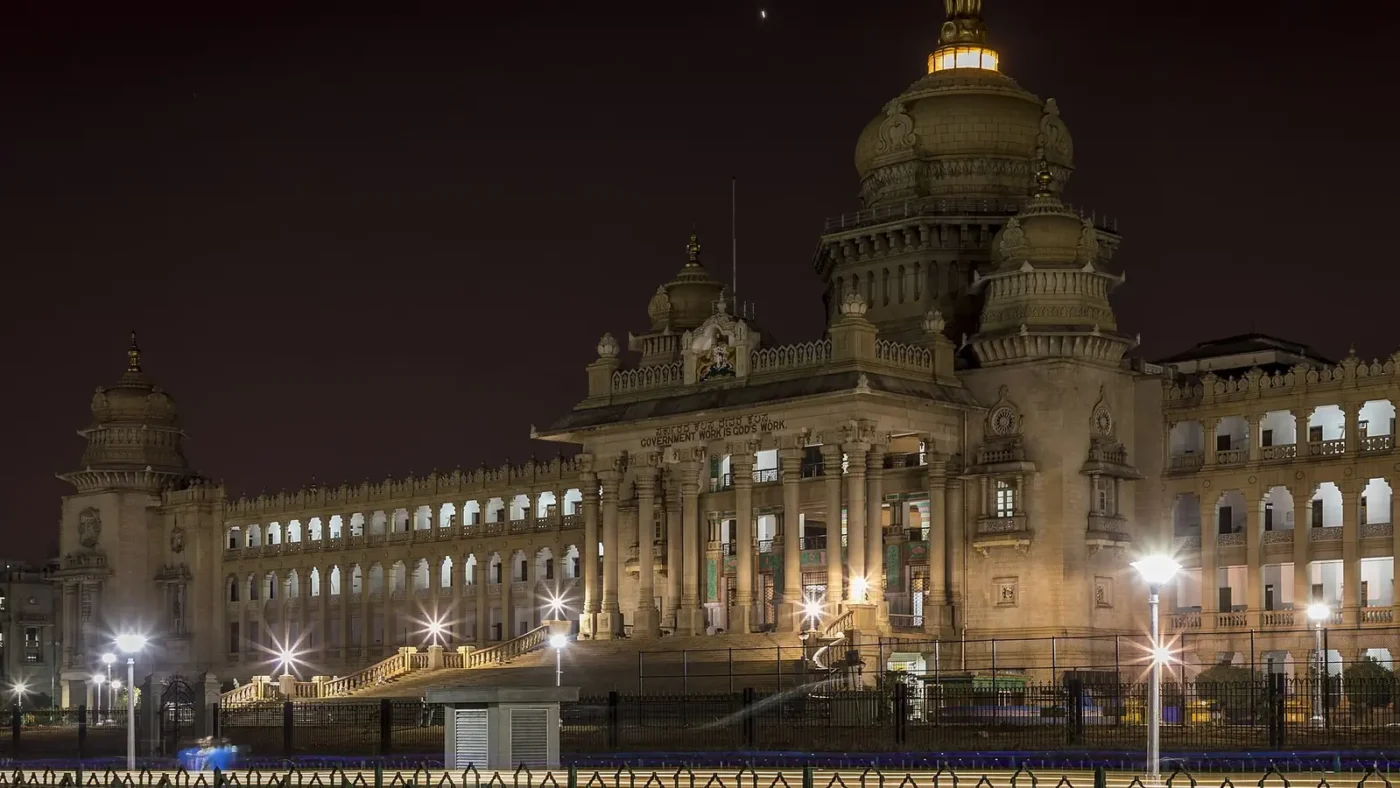
Karnataka’s winter legislature session arrives with the calendar stacked against it. Fewer sitting days than the monsoon session, a long list of pending bills, and the early stages of preparation for a budget that must be presented in the next financial year. Members know that the House’s output will be measured in laws passed, not in hours spoken.
Committees have been the quiet engine of the session. Department-related standing committees examine demands for grants and flag overruns long before they reach the floor. Their reports rarely make headlines, but they carry detail that a debate cannot: how much of a scheme reached the intended beneficiary, and how much stayed in the pipeline.
Question hour will be watched closely. A short session tends to produce shorter answers, and the difference between a considered reply and a deferral is often visible in the way a minister handles a supplementary. For members in opposition, the session is a chance to set the terms of debate before the election calendar tightens. For the treasury benches, it is an opportunity to bank a few uncontroversial wins.
Pending legislation covers unglamorous ground – municipal administration, land records, a revision of fees for professional courses. These are the bills that change how citizens deal with the state on a Tuesday morning, and they move slowly because their costs are felt locally. Some will be introduced and referred to committees rather than passed in a hurry.
The session will also test the House’s machinery: how quickly bills are circulated, whether committee reports are tabled in time, and whether members can raise constituency grievances in the gaps. Democracy’s quiet work is procedural, and a short session is where procedure is most exposed. What passes into law matters more than what makes the evening news.