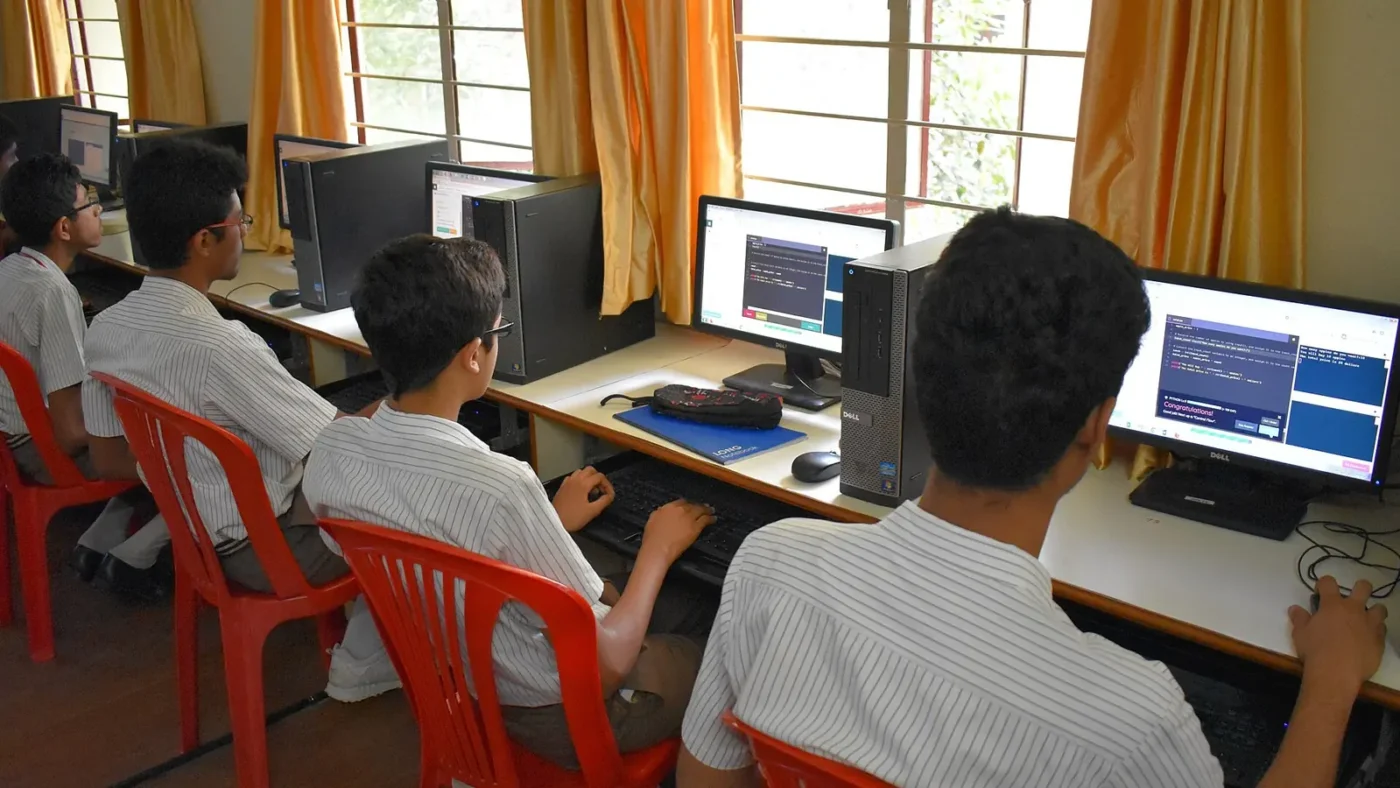
In a computer lab in north Bengaluru, a class of twelve-year-olds is building a simple game. Half the room is ahead, half is typing carefully with one finger, and the teacher is moving between them with the patience of someone who has done this before. The lesson is not really about code. It is about breaking a problem into steps small enough to test.
A room, a teacher, a reason
The case for starting early is straightforward. Children who meet logic and sequencing in middle school are less intimidated by it later, and the skills transfer to mathematics and to writing. The case against rushing is equally plain. A syllabus that assumes a computer at home, a teacher who has been trained in the subject and an hour of uninterrupted lab time will fail in schools that have none of the three.
Training is the bottleneck. A teacher who has never written a program cannot teach one, and the workshops offered during holidays are short. Some schools have solved this by pairing an enthusiastic teacher with an external instructor; others have simply put the textbook in a cupboard and carried on with the board.
Hardware is the second constraint. A lab of twenty machines serving six hundred students means each child gets a few hours a term. Tablets shared between classes break and are not repaired. The schools that do well tend to be the ones with a technician on the payroll, which is another line in the budget.
None of this argues for delay. It argues for sequencing. Get a working lab, a trained teacher and a modest syllabus in place before adding a subject to the timetable. The children will not be slower for it. They will simply learn something rather than being told about it.