The rehearsal before the vote
An election looks like a single day. It is in fact a fortnight of movement: machines checked and sealed, staff trained and re-trained, buses booked, routes walked. Most of the work is done by people who will not appear on television, and it begins long before a campaign does.
The machines are handled with a bureaucratic care that borders on ritual. Each unit is inspected, tested and assigned to a polling station in a process observed by representatives of the candidates. On the morning of the poll, a mock vote is conducted before the doors open, and the result is recorded on paper. If the numbers do not match, the machine is set aside.
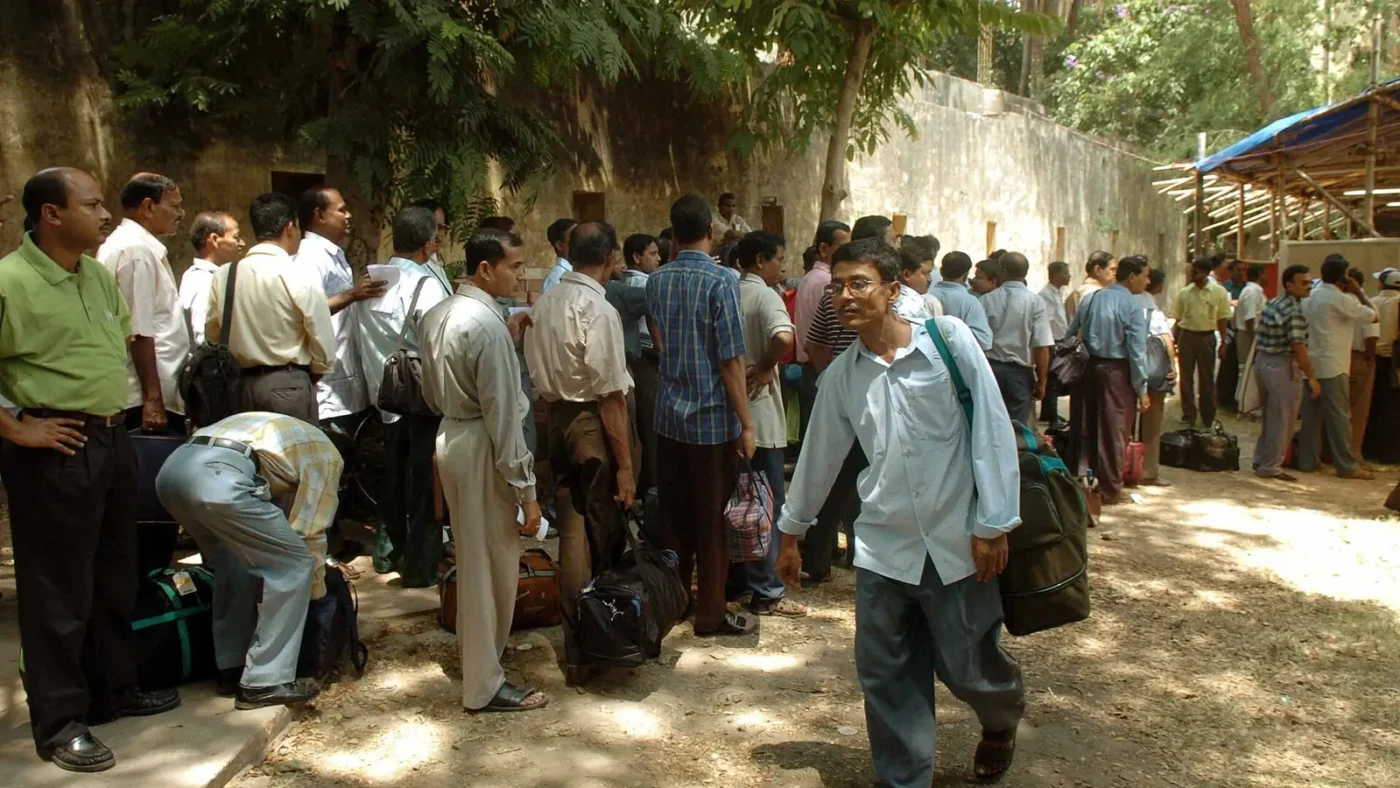
Staff come from schools, municipal offices and state departments, drafted for a duty that is compulsory and often inconvenient. Training covers procedure, but it also covers the awkward part: what to do when a voter’s name is missing, when an agent objects, when the queue at the gate grows longer than the compound. Most of the answers are written down; experience supplies the rest.
Transport is the invisible cost. Teams have to reach remote booths before dawn, and materials have to return the same night. In hilly districts, that means four-wheel drives and, in places, a walk. Weather can undo a plan that took a week to make, and the reserve arrangements are what separate a smooth poll from a contested one.
Afterwards, the paper trail is what gives the result its authority. Sealed covers, signed registers, counts reconciled in the presence of agents. None of this makes a compelling speech. It is, however, why a losing candidate can accept a result, and why the machinery earns its credibility one booth at a time.